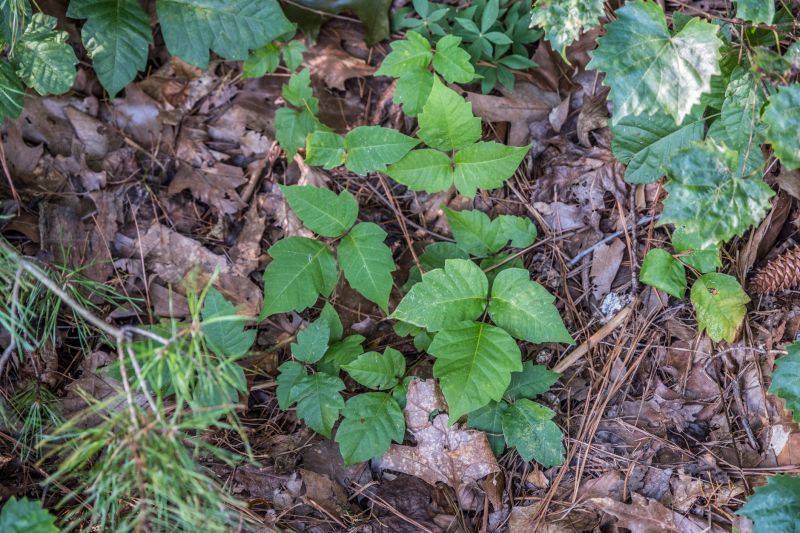
Poison Oak Removal in Harford County, MD
Poison oak removal services focus on safely eliminating this hazardous plant from residential properties, particularly in areas like gardens, yards, and wooded spaces. These services typically involve identifying and carefully removing poison oak to prevent skin irritation and allergic reactions for homeowners and their families. Projects often include clearing overgrown brush, maintaining landscaped areas, or managing natural landscapes where poison oak has become invasive or poses a risk to people enjoying outdoor spaces.
Homeowners interested in poison oak removal should understand the extent of the infestation, the location of the plants, and whether the removal involves small patches or larger areas. It is important to consider if the plants are accessible and if any surrounding vegetation might be affected during the process. Proper removal helps ensure the safety of residents and visitors while reducing the chance of the plant regrowing or spreading. Contacting a professional can provide guidance on the best approach for specific property conditions.
Many property owners in Harford County, MD look into Poison Oak Removal for repairs, replacements, upgrades, and appearance-related improvements.
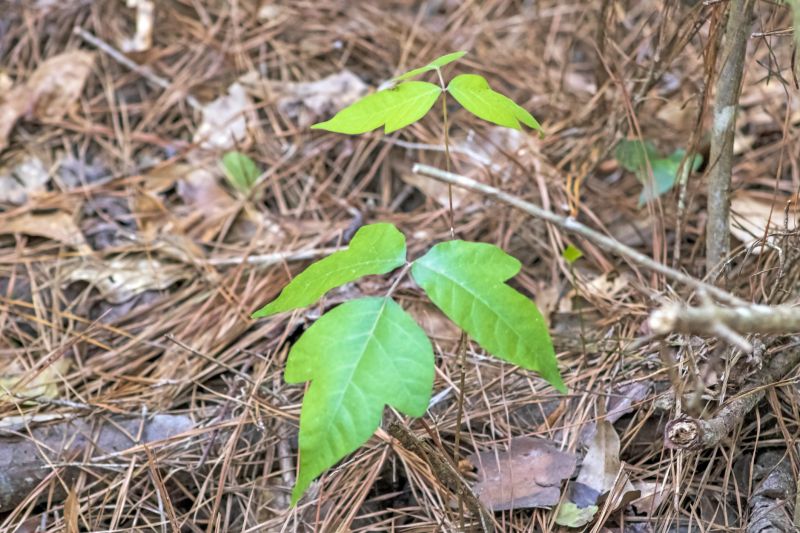
Poison Oak Identification
Recognizing poison oak helps prevent skin irritation and exposure risks on your property.
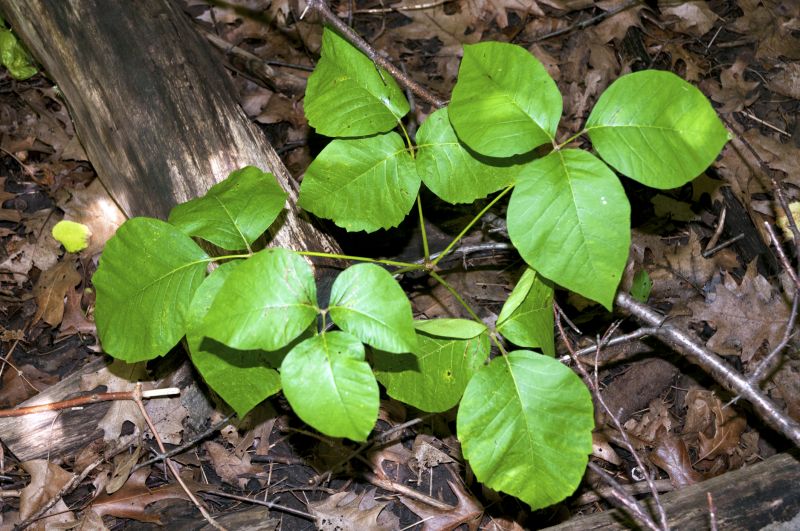
Safety Precautions
Proper removal techniques minimize the risk of allergic reactions and environmental spread.
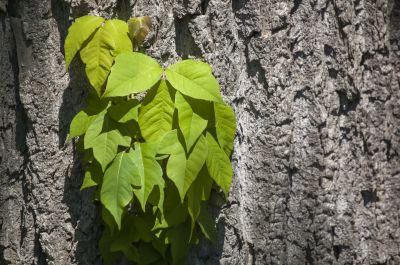
Property Maintenance
Removing poison oak can enhance the safety and appearance of residential and commercial landscapes in harford county.
Poison Oak Removal in Harford County, MD
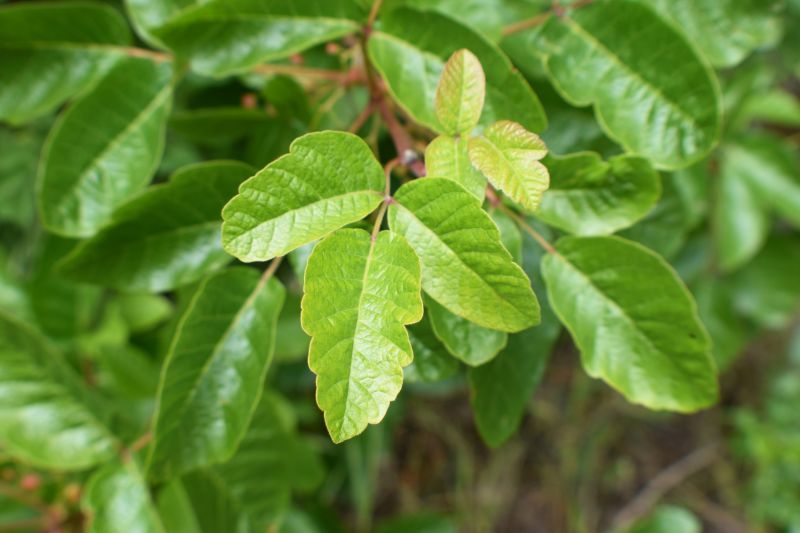
Poison oak removal services focus on safely eliminating this hazardous plant from residential properties, particularly in areas like gardens, yards, and wooded spaces. These services typically involve identifying and carefully removing poison oak to prevent skin irritation and allergic reactions for homeowners and their families. Projects often include clearing overgrown brush, maintaining landscaped areas, or managing natural landscapes where poison oak has become invasive or poses a risk to people enjoying outdoor spaces.
Homeowners interested in poison oak removal should understand the extent of the infestation, the location of the plants, and whether the removal involves small patches or larger areas. It is important to consider if the plants are accessible and if any surrounding vegetation might be affected during the process. Proper removal helps ensure the safety of residents and visitors while reducing the chance of the plant regrowing or spreading. Contacting a professional can provide guidance on the best approach for specific property conditions.
Many property owners in Harford County, MD look into Poison Oak Removal for repairs, replacements, upgrades, and appearance-related improvements.
Common Poison Oak Removal Jobs
Poison Oak Removal - Safely eliminates poison oak from residential landscapes.
Brush Clearing - Removes dense poison oak growth in overgrown areas.
Yard Cleanup - Clears poison oak from lawns and garden beds.
Property Maintenance - Prevents poison oak from spreading on outdoor spaces.
Vegetation Management - Targets poison oak in wooded or shaded areas.
Risk Reduction - Minimizes exposure to skin irritants and allergic reactions.
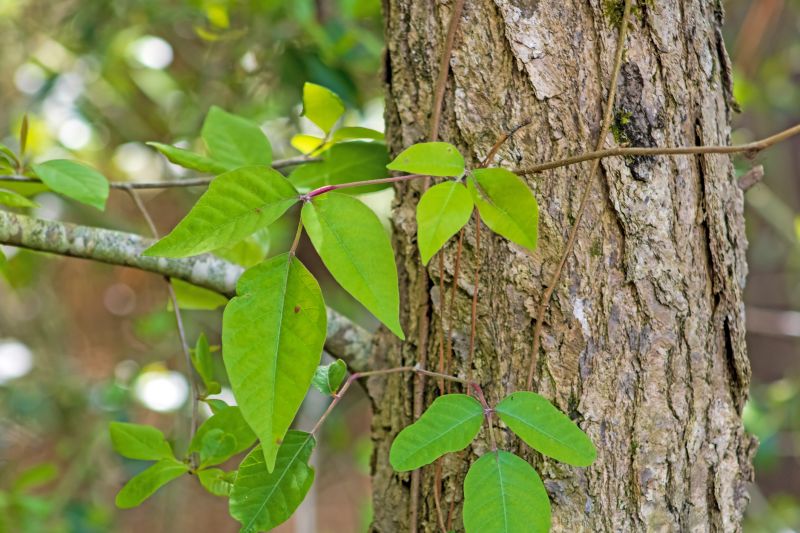
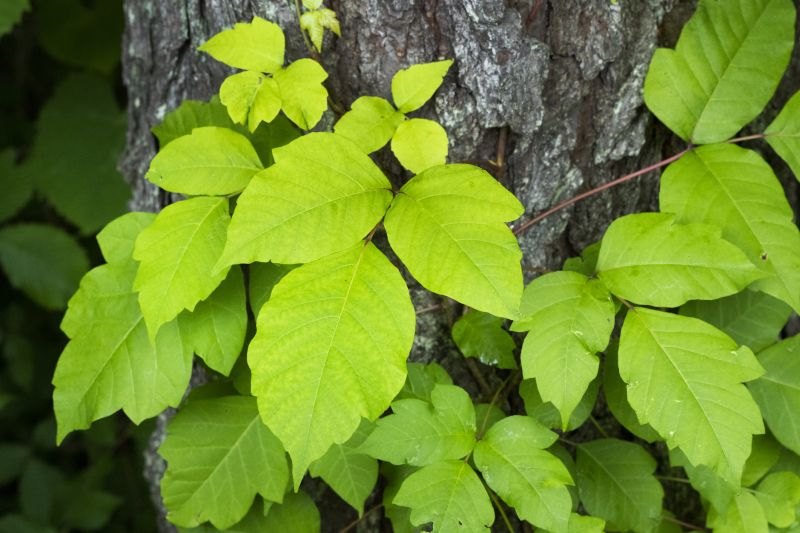
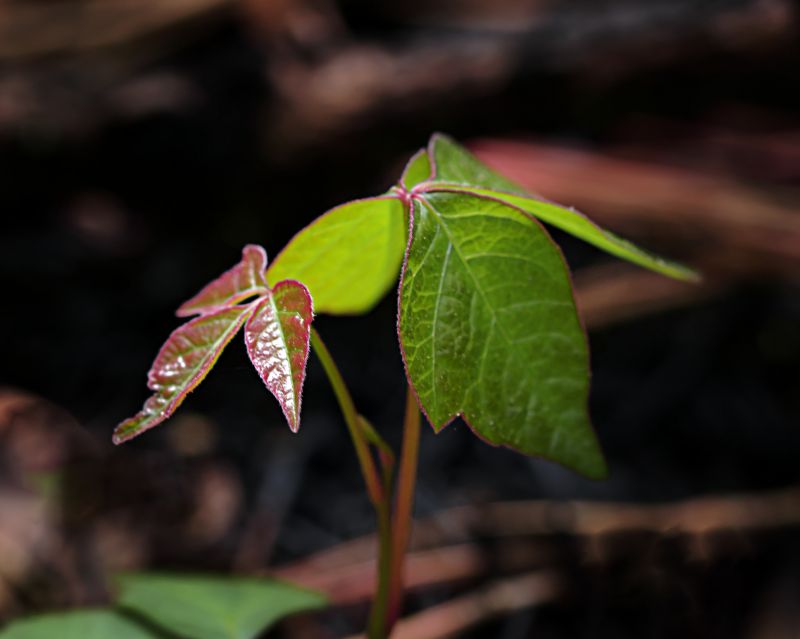
Poison Oak Removal Questions
What is poison oak removal? Poison oak removal involves safely eliminating the plant to prevent skin irritation and maintain property safety.
When should poison oak be removed? Removal is recommended when poison oak is found in high-traffic areas or near outdoor living spaces to reduce exposure risks.
How is poison oak removed? The process typically includes physical removal of the plants, often using protective gear to ensure safety during the job.
Is poison oak removal necessary for property safety? Yes, removing poison oak helps prevent accidental contact and protects residents and visitors from allergic reactions.
Request Poison Oak Removal in Harford County, MD
Use the quote form on this page to share the basics of your project and request more information for the type of work you need.